
Myofascial Release (MFR)
Myofascial release is the main technique that I use – I literally use it throughout treatments to release restrictions and ease pain, it’s almost second-nature to me now as an advanced clinical massage therapist.
Fascial Release is split into two main technique types:
 Direct Techniques
Direct is the more traditional massage method you have probably experienced before. The therapist may use soft fists, fingers, forearms or knuckles to sink and glide through the fascial layers in order to release deep fascial restrictions within and between muscle groups.
In this approach the therapist directs where the tissue goes.
Indirect Techniques
In the indirect approach the therapist takes some time to sink in whilst putting the fascia on a stretch or given slight pressure to initiate a response in the tissues. The therapist then literally ‘follows’ where the tissue wants to go with their hands whilst keeping the stretch. After holding the stretch for between 3-5 minutes the tissue will eventually release in the place where it needs to.
In this approach the therapist follows where the tissues want to go.The effects can feel ‘magical’ with the tissues described as melting like butter!
Fascia – What Is It?
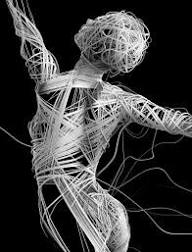
Fascia is a web-like structure of connective tissue that surrounds and penetrates everything in the body – veins, arteries, muscles, tendons, ligaments and organs. It helps to both hold everything in place and to enable effective movement.
Myofascia is the name for the fascia surrounding muscles in particular, which is why the term is used in massage therapy. I incorporate Myofascial Release techniques into nearly all of my massage treatments and can offer focussed Myofascial Release treatments on request.

Fascia is made of:
- Ground substance = a gel-like substance which acts as a type of shock absorber
- Elastin = to give it elasticity & return back to shape after stretching
- Collagen = to give it strength
- Water and Lubrication: all that ‘dew like’ liquid on the fascial web is actually water. The human body is 70% water and much of it resides in the fascia assisting to keep it well-lubricated and flexible. This is why keeping well hydrated and drinking plenty of water is so important for maintaining a good range of movement
- Flexibility and Massage: however, in order for any water to reach it you have to keep the fascia, muscles and soft tissue flexible and open in the first place. This is where massage treatments & myofascial release become part of the process for improving your overall fascial, muscular and body condition
More Movement = more we move & stretch = more elastin created = more flexibility
This is why acrobatics, gymnastics, or practicing yoga or pilates leads to greater flexibilityLess Movement = less we move and stretch = more collagen created = less flexibility
This is why the more sedentary we are, the more restricted we can become”
